
While at times they may seem aloof and give off a “don’t bug me” vibe, there’s a nuanced richness in how cats communicate with their pet parents. Sometimes their signals are subtle, and at other times there’s no mistaking they’ve taken issue with something. The trick is knowing how to decipher the messages that they’re giving you.
When cats purr
Purring is how cats typically express contentment. This is the way that they tell you that they’re feeling happy and relaxed. They may be enjoying cuddle time, curled up with you on the couch or in your bed. In addition, felines may purr when you’re brushing them or even as they’re eating dinner. Basically, it’s a good sign.
That said, there are other occasions when your pet might purr. They may engage in this behavior to soothe themselves if they’re unwell or anxious about anything. During a visit to the veterinarian, for instance, they might do so. Purring could also demonstrate pain.
Other vocalizations
Cats express themselves vocally in a variety of other ways. A simple meow is used as a greeting or request or when they object to something. Louder meowing, chirping, and trilling sounds are a direction for you to follow them, often used when they want more food or water.
Excitement or frustration comes with chittering or chattering and is what you’ll see when your cat is watching birds or squirrels outside. If you hear hissing, low growling, or spitting, it means your kitty is angry, annoyed, or frightened and needs their space.
Probably the most disturbing sound a cat will make is a loud howl, screech, or yowl. This vocalization shows they’re in distress and calling out for assistance. Yowling might appear when they want to mate or are declining cognitively.
The eyes have it
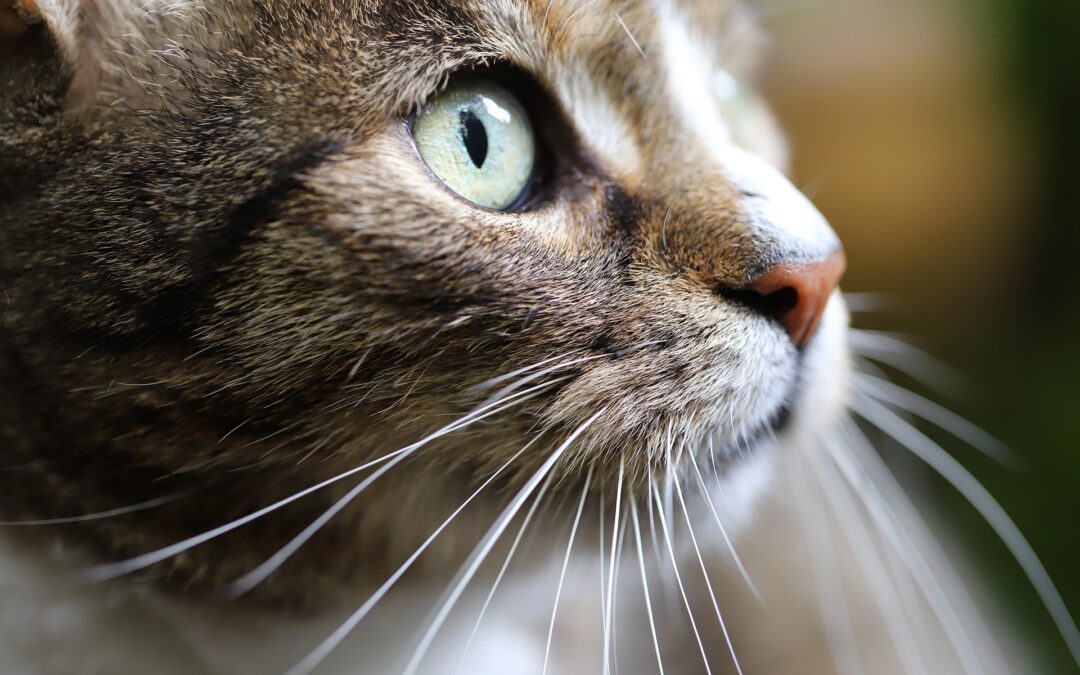
What do you see when your fluffy friend looks at you? If their eyes are partially closed or they’re slowly blinking, this is their love language. Your pet is expressing that they trust you completely. Try returning the slow blink to cement the bond between the two of you.
Staring can be your cat’s way to assert dominance, or it may just signify that they’re curious about you. If you believe that the stare is done as a challenge, diffuse the situation by being the first one to break away. When your pet is playful or excited, their eyes will become large and round, sometimes with dilated pupils. On the other hand, this might suggest that they’re feeling afraid. Take stock of what’s happening in the moment in order to properly assess your cat’s communication.
Wide or narrowed eyes can signal stress in a feline and might precede aggressive behavior. A cat who is ill is apt to squint or shut their eyes tightly. The eyes of a sick animal might appear glassy, and they may have a dazed expression.
Tail twitches and more
A feline’s tail position is interesting. If your pet greets you with their tail straight up, perhaps curled at the top, it shows that they’re confident, happy, and pleased to see you. A quivering tail is a sign of excitement.
Cats will flick or thrash their tails back and forth when they’re hunting prey or to demonstrate agitation, irritation, or stress. In the latter case, the feline’s behavior can be a precursor to lashing out at the subject of their annoyance.
Fear or aggression shows up with a puffed tail. The idea is that the cat is trying to appear larger as a defense mechanism when they feel threatened. Conversely, if your kitty keeps their tail low to the ground or tucks it beneath their body, it’s a sign of anxiety, fear, or insecurity.
Body posture
A playful cat might invite you to interact by lowering their chest and putting their rear end in the air. They could also flick their tail from side to side, wiggling their behind. Rolling on their back isn’t necessarily an invitation to rub their belly, but rather, it points to the fact that they feel safe and happy.
Happiness manifests with a loose body posture. You may find your furry friend sprawled out on the rug or chilling in a relaxed position in their pet bed, seemingly without a care in the world. And a contented cat is one that curls up on your lap, kneading your body with their paws.
If your pet senses danger, expect them to arch their back with their fur standing on end. Fear can lead them to attempt to curl up and make themselves look smaller. If a cat purrs while appearing tense or hiding from you, it shows that they’re stressed, sick, or in pain.
In closing
Cat communication can be complicated, and every cat has a different personality. To understand what your feline friend is really trying to tell you, it’s best to look for more than one indication.