
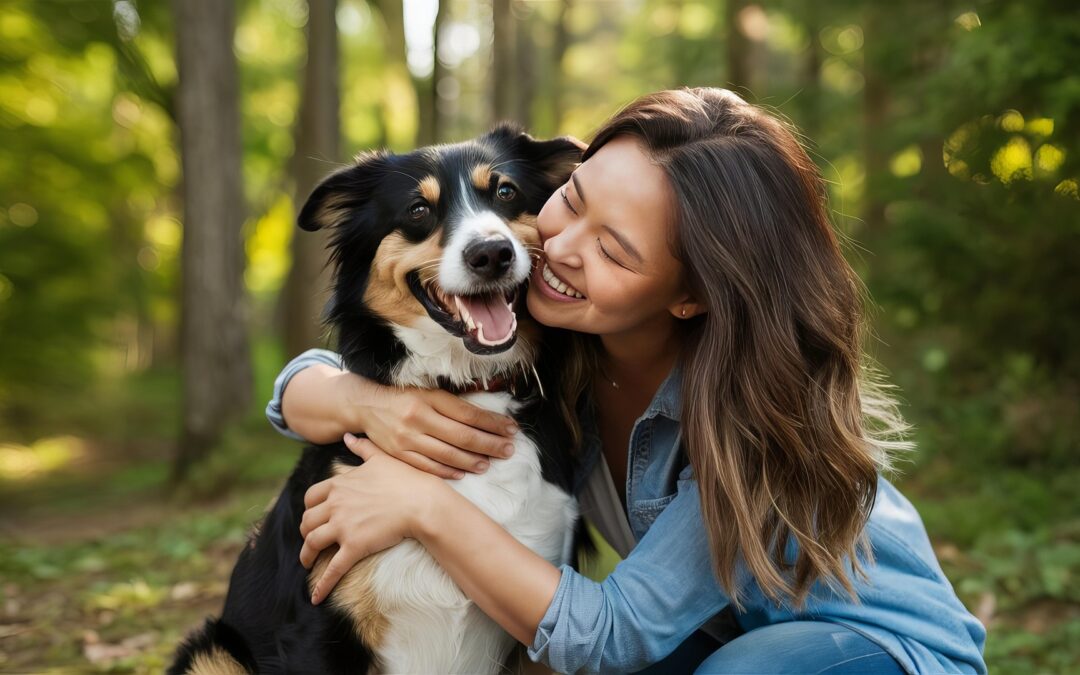
Humane societies, animal rescues, and shelters have a critical and sometimes daunting mandate: caring for stray animals and finding forever homes for them. The second part of that mandate—matching people with adoptable pets—can be especially difficult. Most shelters can’t just hang up a sign and trust that would-be pet parents will walk in the door, eager to take home a cat, dog, or other animal. That’s why marketing is so important to these organizations.
Let’s look at some of the creative outreach strategies animal shelters and rescues use to promote pet adoption.
Photo shoots
Introducing a pet for adoption with an attractive photo can work wonders. There’s no question that seeing a playful puppy poised with a ball between his paws or a cute kitten decked out in a colorful bow tie can tug at the heartstrings. Even without any props, a well-framed photo can draw in lots of potential adopters. The trick with photography is to pick an appropriate background, use good lighting, get clear shots, and capture the animal’s personality. Many shelters and rescues rely on volunteers for these photos—if you have talent with a camera, call your local shelter to see if they can use your skills.
Adoption events
Adoption events are cornerstone initiatives for many pet rescues. You’ve probably walked by an adoption event at a local shopping mall, community center, or pet supply store in your city. When a shelter starts to become crowded or has several felines and canines that they’re having trouble adopting out, they may arrange an adoption event. Local animal groups often band together for multi-organization events to increase their visibility and attract media attention. Similarly, open house events can be a great way to generate buzz and attract would-be adopters.
Media coverage
There’s no question that featured stories in print, online media, TV, or radio can draw attention and interest to an animal shelter. The story could simply be an account of their impressive work, coverage of an adoption event, a tale of a recent rescue effort, or even a direct plea. Any of these stories can get the word out about adoption and encourage people to stop by and check out adoptable pets.
Word of mouth
Word of mouth is a classic, tried-and-true way to spread the message that there are dogs and cats at a shelter waiting for their forever homes. People who have recently become pet owners are typically eager to talk about their latest furry family member, showing off photos and telling tales of their antics. This can be great free advertising for an animal rescue and bring more prospective pet parents through the door.
Social media
Social media platforms—especially visual ones like Instagram and TikTok—offer animal shelters and rescues a good way to share information about pets available for adoption. To get the most views, it’s best to have good photos and/or video, a compelling story, and appropriate hashtags. It should also be easy for users to navigate from a social media profile or post to the shelter’s website. In addition, posting consistently can increase follower count and maximize the number of users who see a particular post in their feed.
Not everyone who sees a TikTok about an adoptable dog or cat will be interested in adopting. However, animal lovers everywhere delight in scrolling through pictures and videos of cute pets, and even if they’re not ready to adopt, they may know someone who is.
Telling the story
Every stray animal has a story. Shelters do not always know the complete history of every animal that comes through their doors—however, they can gather as much information as possible to write a compelling narrative that shows off each pet to its best advantage. What is the animal’s personality? Does it get along with other dogs or cats? Does it have a favorite toy or treat? Does it love going for walks or snoozing on the couch? Once an animal settles in at a shelter and their character starts to emerge, staff can learn what qualities would make them a lovely pet and the type of household where they’ll do best.
Foster program
Foster programs are another route to finding a permanent family for adoptable animals. Many shelters and rescues rely on volunteers to care for animals in their homes on a temporary basis until they’re adopted. This strategy frees up space in the shelter and provides a calmer home environment for animals that are stressed and anxious in a shelter. Fostering also allows volunteers to get to know the animal better. They can speak to its personality, start some training, and nurture positive behavior. The outcome is a more adoption-ready pooch or kitty.
Online matching
Here’s a novel approach used by some rescues and shelters. There are online services that offer human-pet matchmaking, working hand-in-hand with shelters to profile adoptable pets and pair people with the animals that would be a good fit. People fill out a questionnaire or survey, and an algorithm suggests those pets that align best with the responses. The wider reach of these platforms can particularly help pets that are harder to adopt, whether due to their age, breed, size, or special needs.
Creative strategies to encourage adoption
Shelters have to employ a variety of marketing methods to attract attention, show off their adoptable animals, and encourage people to consider adoption. These days, organizations are using wonderfully creative strategies in their outreach—often with impressive results.