
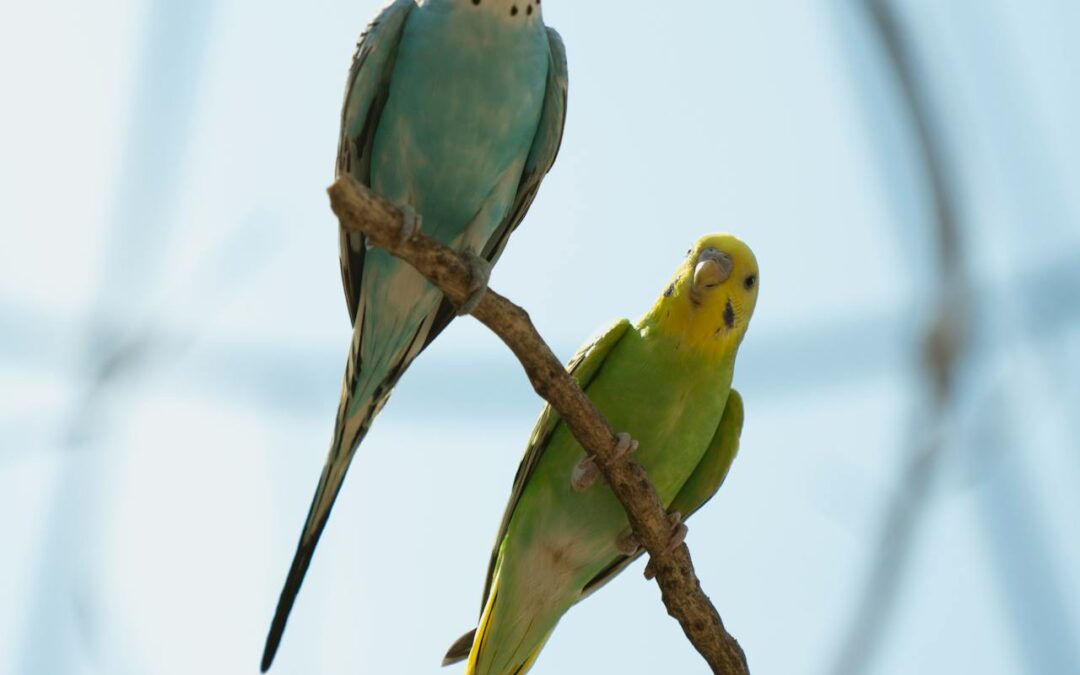
Owning a bird can be a great choice for people who want the company of a colorful, cheerful pet. Canaries and parakeets are two of the more common breeds of birds kept as pets in North American households. Though they’re easier to care for than parrots, welcoming these feathered friends into your home requires some awareness about the care they need and what to expect from their behavior. Read on for advice about adopting a canary or parakeet.
Canaries
This beautiful bird has been a favorite among bird lovers for hundreds of years. The canary is actually a species of finch that originated in the Canary Islands, situated in the Atlantic Ocean off West Africa. In some parts of the world, wild canaries continue to be common, living in forests and mountainous areas.
While you might imagine a striking yellow specimen when you think of a canary, in fact, there are over 200 canary breeds, each with a distinctive appearance and behavioral characteristics. Typically, canaries are on the shy side when compared to other types of pet birds.
Their timidity extends to a reluctance to be handled, so new owners need to exercise patience while the bird settles in. Expect bonding to happen over time once your canary has learned the household routine and feels more at home in their surroundings. When your bird starts to sing a few notes, you’ll know they’re content. That said, be aware that only the males sing, so if you prefer a quieter bird, choose a female that chirps softly.
Canaries need a cage large enough to accommodate flight. They prefer being on their own but aren’t averse to having a companion in the cage as long as they’re given adequate time to adjust. If you plan to adopt a second bird, introduce the other canary slowly and monitor the situation. Be mindful that females are amenable to cohabitation, but two males should never be housed together. These birds are happy to hear their owner’s voice and enjoy whistles and being spoken to. That said, they’re somewhat easily startled.
Canaries come in a range of attractive colors, including yellow, bright orange, green, and brown. Make sure to equip their enclosure with a shallow bowl of water, as they enjoy a bath. Give them cuttlebone for calcium; you can also supplement their diet with high-quality bird treats and fresh produce like apple slices, grated carrot, and leafy greens. With proper care, these little birds will live for about 10 years and sometimes up to 15 years.
Parakeets
Parakeets are often referred to as budgies or budgerigars. These small birds are also a good pick for anyone who hasn’t owned a bird before. Worldwide, they’re likely the most popular domesticated bird. They’re very friendly and will respond readily with affection, bonding with owners who provide proper care. As social birds, they do well in same-gender pairs and will live for seven years or more. Color varieties include white, blue, green, yellow, and violet.
As one of the most low-maintenance birds, parakeets are quite easy to train. The secret to teaching them tricks is to begin when they’re young. With regular coaching, they can be taught to talk. Repeat some simple phrases and watch while your feathered friend mimics you while bobbing their head and moving along their perch. The more you show that you like the head bobbing, the more your bird is apt to do it.
Head bobbing is an interesting behavior. Budgies will engage in this activity for several reasons. A mature parakeet does this when they’re feeling good and birds that are more sociable bob their heads with more enthusiasm. However, a baby of the species is signaling that they’re hungry when they do this. In addition, bobbing up and down is part of the mating ritual for both males and females, though males practice it more often.
If you notice your pet budgie stretching and flapping their wings, it simply means they’re warming up their body after being inactive for a time. There’s nothing alarming or aggressive in the action even though they may chirp or call out at the same time. As well, your bird may fly around the cage a bit to exercise their muscles. Take note that if the cage you’re using doesn’t offer much room for flying, it’s best to let your bird out to fly around the room.
Parakeets love to climb over the roof and sides of their cage, hanging upside down as they navigate the space. They’ll appreciate any plaything you put in their cage. Depending on their personality, it may take them a little while to fully explore a new item. Keep their interest by rotating toys and fun objects like bells and ping-pong balls. Their natural chewing instinct is satisfied with balsa wood.
In closing
Whether you select a canary or parakeet, you’ll find an excellent companion. The key is matching the species with your lifestyle.