
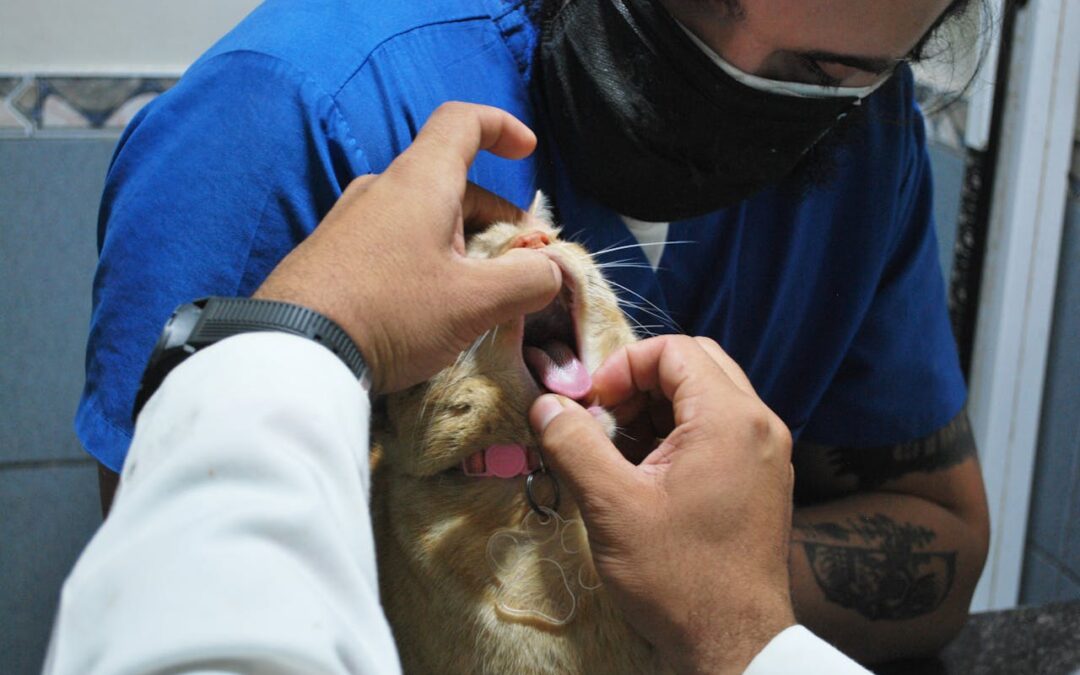
Pet ownership includes supporting the health and longevity of your furry companion. Obtaining veterinary care is part of the package. This involves taking your canine or feline friend for regular checkups, ensuring they have all needed vaccines, and getting professional care if they become sick or injured. The right veterinarian can mean the difference between a happy pet and an unhealthy one. Here’s how to conduct your search.
Consider Your Criteria
The vet you choose for your pet is someone you want to have around long term. Think about the qualities you look for in a medical professional for yourself and your family, then look for those in a vet. You’ll want a practice that is clean and well-maintained, for example, and one that’s located a short distance from your home and maintains convenient hours. Distance can be a particularly important factor if you have a pet that becomes stressed on long car rides.
An animal hospital that offers a range of services, including surgery, dentistry, and emergency care, and has payment options that meet your budget might be important criteria for you. Expertise is probably high on the list, as well.
Look for Preventative and Ongoing Care
A good animal clinic will have a high standard of care and aim to keep your canine or feline healthy and thriving. Preventive care includes annual checkups; vaccines and booster shots to prevent disease; flea, tick, and heartworm control; and more. Many vets also offer microchipping.
Expect your animal to be weighed during these visits, and be ready to answer questions about their diet, exercise, grooming, and any changes in their behavior. Your veterinarian will record your pet’s medical history, advise on preventative care, and recommend tests and treatments as needed. You can also ask your vet any questions about your pet during these regular check-ups. Many veterinary clinics offer nail trimming services, which can be very helpful if you have a squirmy pet. If your pet’s nails are severely overgrown and impacting their paw, it’s best to take them to the vet rather than a groomer.
Communication Is Critical
Communication skills are essential when it comes to selecting a vet. The individual you select to take care of your furry family member should be adept at explaining your animal’s health status and how you can monitor them for any concerns. They should be able to answer your questions and clearly explain diagnoses, treatments, procedures, and instructions for at-home care.
Another characteristic of a great communicator is being a good listener. Your veterinarian should demonstrate an ability to listen actively to what you’re telling them and show that they understand. The best vets will paraphrase what you’re saying, ask further questions, and check out their assumptions with you before making a diagnosis.
Bedside Manner Counts
A trip to the clinic isn’t something your dog or cat typically looks forward to. They’d much rather be napping in the sun or playing with you. This is where the friendliness of the team at the animal hospital counts. The positive reception you and your pet receive when you walk in the door can make all the difference. Your animal companion will feel more at ease, and they’ll react to the relaxed vibes you give off.
Seek a vet who is empathetic and compassionate when dealing with animals. The right professional will display these qualities as they offer comfort and exercise patience with your pet. In addition, your vet should be sensitive to what you’re going through when your pet is distressed by being in an unfamiliar situation.
Training and Credentials Are Key
Working in any profession requires proper training, licensing, and accreditation. In the US, veterinarians are licensed by the state in which they practice, so check with your state’s veterinary medical board to check the current licensure and disciplinary standing of a veterinarian. You can also check to see if a veterinary practice is accredited by the American Animal Hospital Association (AAHA). AAHA accreditation is voluntary, but it signifies that the practice meets certain standards of care. Only about 15% of veterinary hospitals are AAHA-accredited, so it is a meaningful designation.
When meeting with your vet for the first time, you can their assess skill level by inquiring how many years they have been practicing and ask if they have any specialized training or experience that may be relevant. It’s also a good idea to ask about continuing education.
Get a Recommendation
Keep in mind that your animal-loving friends and family members can be an excellent source in your search for veterinary care for your pet. Reach out to anyone you know with a furry companion for a vet recommendation. Your local shelter or animal rescue might also be comfortable suggesting a pet hospital. If you’re moving, your current vet might offer the name of an animal clinic accepting patients in your new community. It’s also a good idea to look up a veterinarian on local business review sites.